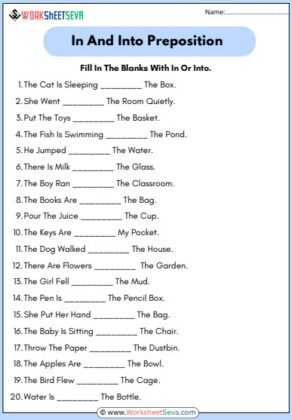
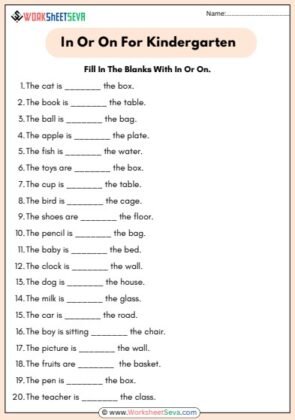
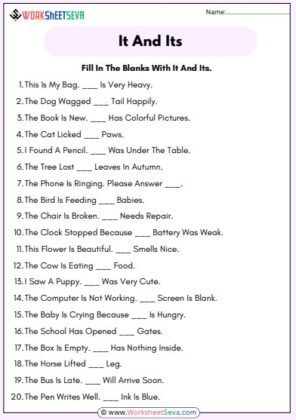
Understanding the difference between “in” and “into” is an important part of English grammar. Many students get confused because both words relate to places, but they are used in different situations. This worksheet helps learners clearly understand the difference between simply being somewhere (position) and moving somewhere (movement).
About This Worksheet
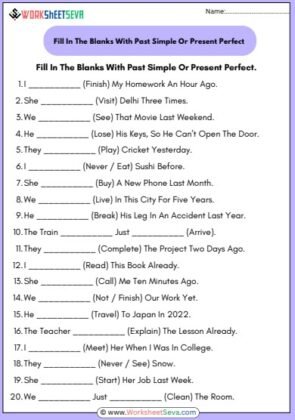
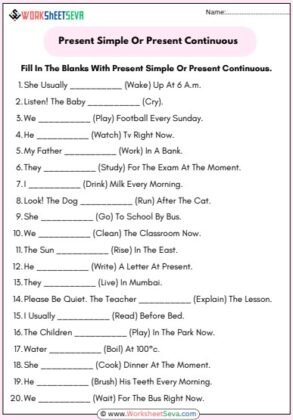
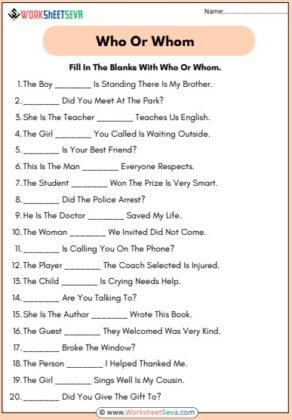
This worksheet contains 20 fill-in-the-blank sentences designed to help students:
- Understand the difference between staying still and moving.
- Learn the correct usage of “in” and “into.”
- Write more accurate sentences.
- Build confidence in grammar.
- Prepare for school exams.
Who Is This For? This worksheet is suitable for beginners and students in Class 3, Class 4, Class 5, and Class 6.
The Difference Between “In” and “Into”
1. In Use “in” to show position or location.
- Meaning: It means something is already inside. There is no movement involved.
- Examples:
- in the box
- in the room
- in my bag
2. Into Use “into” to show movement.
- Meaning: It means something is moving from the outside to the inside. An action is happening.
- Examples:
- jumped into the pool
- ran into the classroom
- put the toys into the basket
Easy Rule to Remember
- If there is no movement, use IN.
- If there is movement (entering), use INTO.